Fashion Killa: Who Are We Dressing Up For?
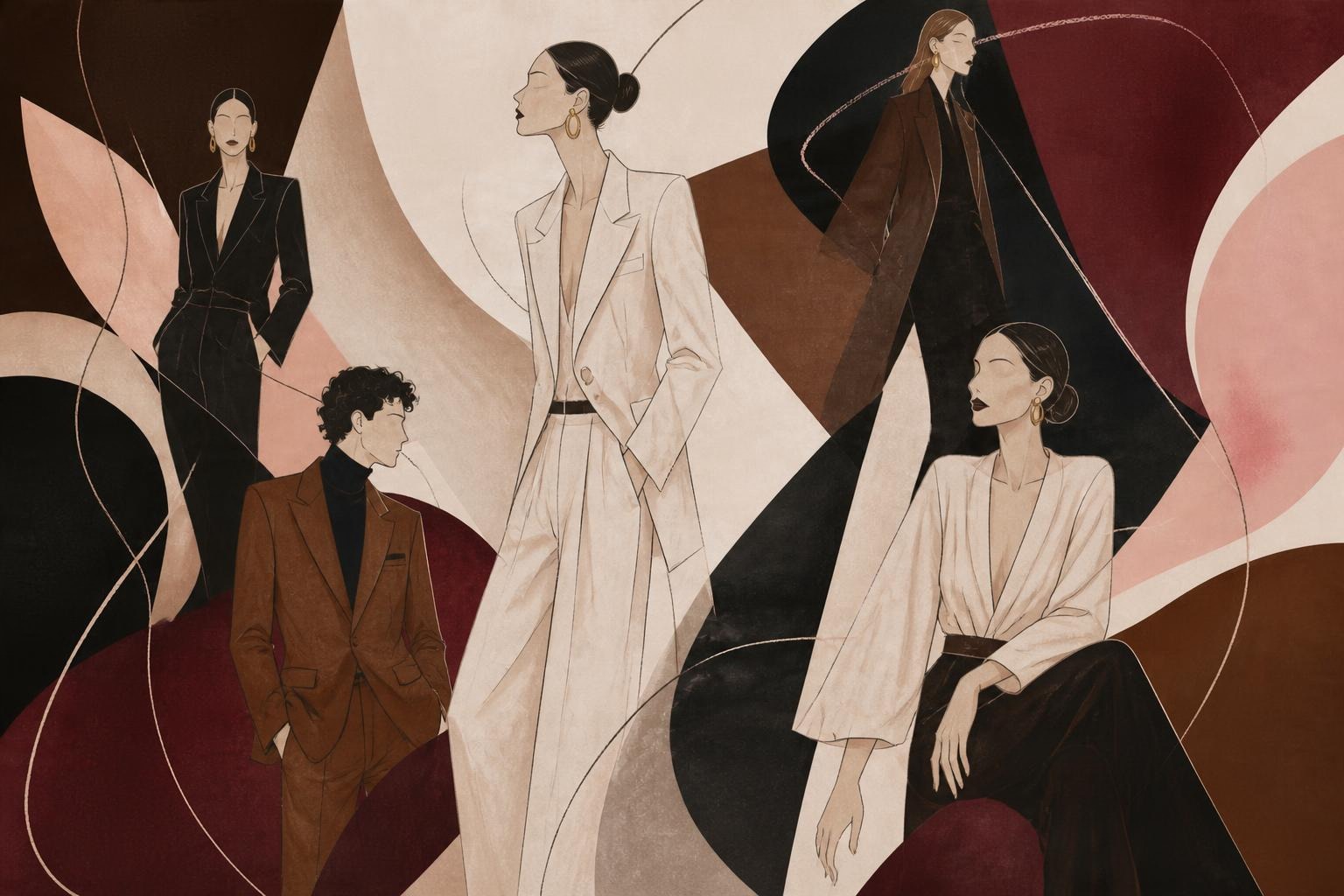
There is always a particular kind of outfit that appears when internship season rolls around: the blazer or the quarter-zip, the chocolate brown loafers making their first serious commute, a tote bag doing its best impression of a briefcase. Add a takeaway coffee and a freshly updated LinkedIn profile, and suddenly the walk through the CBD feels one networking event away from the ASX.
The outfit says: I am organised. I have plans. I know what a “client-facing role” is. Whether the wearer has actually finished the application is another question.
Corporate fashion is part uniform, part mood board, part public statement. It lets us dress for the person we hope to become: the consultant, the creative director, the founder, the mysterious professional who uses “circle back” without irony. Before the job title, the office keycard or the calendar full of meetings, there is the outfit, a first draft of a future self.
And there is nothing wrong with wanting to physically embody the part. Clothes can change how we carry ourselves. A sharp jacket can make a presentation feel more like a pitch. A well-cut pair of trousers can lend an ordinary Tuesday a little occasion. Fashion is fun partly because it lets us try on different versions of ourselves before the rest of our lives catch up eventually.
But beneath the polished lapels and carefully chosen accessories sits a good question: who are we dressing up for?
Maybe it is the recruiter scrolling through applications. Maybe it is to impress that investment banker you asked for a coffee chat. Maybe it is the colleague who always looks effortlessly put together, even at 9 a.m. Maybe it is the imagined audience of LinkedIn, where everyone appears to have secured a promotion, completed a marathon and discovered the perfect blazer by 25. Or maybe it is ourselves, the version of us who wants to feel capable before we have all the proof.
That last one deserves more credit. Getting dressed can be a minute act of confidence. The trouble starts when an outfit becomes an obliged costume we keep performing in. If every coffee run is a personal branding opportunity, every mirror a quality check, and every photo evidence that we are “going places,” even getting dressed can start to feel like another performance review.
Corporate style has a talent for making ambition visible. It turns an abstract idea “I’m serious about my work” into something you can see before anyone says a word. A crisp shirt, a structured bag, a pair of shoes that can survive both the train platform and the office lift. They all tell a story. The trick is remembering that a story is not entirely the same as the whole person.
There is no magic uniform for having your life together. The perfect attire will not write the cover letter, answer the awkward interview question or rescue the presentation with three minutes left and one slide still called “final final v3.” Clothes can set that atmosphere, but they cannot do the work for us. Thankfully, they are not meant to.
So wear the blazer if you love it. Wear the sneakers if they feel more like you. Borrow a jacket, find something second-hand, or build a wardrobe slowly instead of trying to become a different person by Monday morning. Corporate fashion can be a way to step into a room with confidence but it does not have to be a test of whether you belong there.
The best-dressed person in the room might not be the one who most likely looks like they already have the job. It might rather be that it is the one who feels comfortable enough to be themselves while they work towards it.
Dress for the meeting, the commute, the big idea, the long day. Dress for the photos if you want. Dress for the plot. Just make sure that somewhere beneath the blazer or the quarter zip and the carefully put together accessories, you are still dressing as you.


